
Top Waterproofing Products to Protect Your Property Effectively
Discover leading waterproofing solutions designed to prevent leaks, moisture damage, and ensure long-lasting protection for your space.
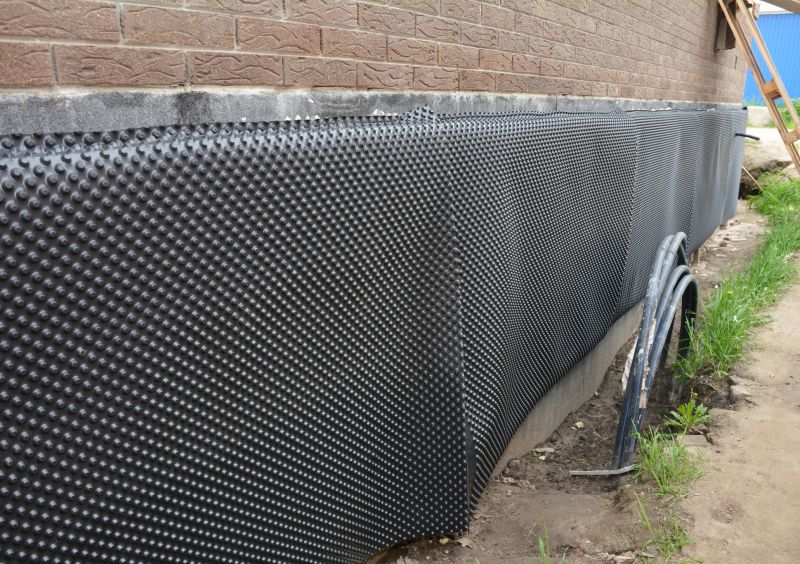 Waterproofing products play a crucial role in protecting structures from moisture intrusion, which can lead to damage, mold growth, and structural deterioration. Whether for basements, roofs, foundations, or interior surfaces, choosing the right waterproofing solution depends on various factors such as the type of surface, exposure conditions, and longevity requirements. Proper application and selection of appropriate products can help maintain the integrity of a building while preventing costly repairs over time.
Top Overall Option
All-Purpose Liquid Waterproofing Membrane
An all-purpose liquid waterproofing membrane offers versatility for various surfaces including foundations, roofs, and underground structures. It typically applies as a seamless coating that adheres well to different substrates, forming a flexible and durable barrier against moisture ingress. Easy to apply with brushes, rollers, or spray equipment, this type of product can be suitable for both DIY projects and professional installations. Its ability to bridge small cracks and adapt to surface movements makes it a popular choice for comprehensive waterproofing needs.
Types of Products For Waterproofings
Bituminous Coatings
Bituminous coatings are thick, tar-like substances used to waterproof foundations, roofs, and underground structures, providing a durable and flexible barrier.
Liquid Rubber Membranes
Liquid rubber membranes are seamless coatings that create flexible, waterproof layers suitable for roofs, decks, and basements.
Polyurethane Sealants
Polyurethane sealants are versatile for sealing joints, cracks, and seams in various building surfaces, offering excellent adhesion and elasticity.
Cementitious Waterproof Coatings
Cement-based waterproof coatings are commonly applied to concrete structures, providing a breathable yet water-resistant barrier.
Sheet Membranes
Pre-formed sheet membranes are used in foundation and roof waterproofing, offering a physical barrier that is easy to install.
Bitumen Sheets
Bitumen sheets are durable, self-adhesive membranes suitable for roofing and below-grade applications.
Acrylic Waterproof Coatings
Acrylic coatings are water-based, flexible, and UV-resistant options for surfaces like roofs and walls.
Hydrophobic Paints
Hydrophobic paints create a water-repellent surface layer, ideal for walls and exterior surfaces.
Polymer Modified Waterproofing
Polymer-modified products enhance flexibility and adhesion, suitable for complex or moving structures.
Crack Injection Resins
Resins used for sealing and stabilizing cracks in concrete and masonry structures.
Foam Sealants
Expanding foam sealants fill gaps and cracks, providing a quick barrier against moisture intrusion.
Waterproofing Paints
Specialized paints that provide a waterproof coating for walls and ceilings.
Spray-On Waterproofing
Spray-applied membranes offer quick coverage for large areas, suitable for roofs and decks.
Waterproofing Tapes
Flexible tapes used to reinforce joints and seams in waterproofing systems.
Drainage Boards
Drainage boards help redirect water away from foundations, reducing hydrostatic pressure.
Waterproofing Fabrics
Reinforced fabrics used in conjunction with liquid membranes to add strength and durability.
Sealant Gels
Thick, gel-like sealants for sealing larger gaps and joints in building surfaces.
Popular Choices
Widely used for roofing and decks due to their seamless, flexible waterproof layers.
Commonly applied to foundation walls and underground structures for reliable moisture protection.
Popular for sealing around windows, doors, and joints where flexibility is needed.
Often chosen for basement walls and concrete surfaces requiring breathable waterproofing.
Preferred in foundation waterproofing for their ease of installation and durability.
Favored for their UV resistance and ease of application on exterior surfaces.
Used for exterior walls to repel water and reduce moisture infiltration.
Popular for repairing existing cracks in concrete structures to prevent water leakage.
Chosen for large surface areas like roofs and decks for quick, uniform coverage.
Commonly installed beneath foundations to improve water management.
Useful for reinforcing seams and joints in various waterproofing systems.
Applied to exterior walls and surfaces to add an extra layer of moisture resistance.
Effective for filling gaps and preventing water intrusion in hard-to-reach areas.
Ideal for sealing larger joints and cracks in concrete or masonry.
In Medina, OH, where seasonal weather fluctuations may bring humidity, rain, and snow, investing in reliable waterproofing materials is essential for both residential and commercial properties. From liquid membranes to sealants and membranes, there is a broad spectrum of options designed to suit different needs. Understanding the specific characteristics of each product type can assist homeowners and contractors in making informed decisions.
Applying waterproofing products correctly is vital for ensuring their effectiveness. Surface preparation, proper application techniques, and adherence to manufacturer instructions contribute significantly to the longevity of the waterproofing barrier. Regular inspections and maintenance can also help identify potential issues early, prolonging the life of the waterproofing system.
Choosing the right waterproofing product involves considering factors such as compatibility with existing materials, ease of application, durability, and cost. Consulting with local suppliers or waterproofing specialists in Medina can provide tailored advice that considers local climate conditions and building requirements. Ultimately, a well-chosen waterproofing solution can provide peace of mind and protect your property investment against moisture-related challenges.
Key Buying Considerations
- Compatibility with existing surfaces and materials.
- Type of surface to be waterproofed, such as concrete, wood, or metal.
- Exposure conditions including weather, moisture levels, and UV exposure.
- Flexibility and elasticity of the product to accommodate surface movements.
- Ease of application, whether DIY or professional installation.
- Durability and expected lifespan of the waterproofing solution.
- Ability to bridge small cracks or gaps effectively.
- Environmental conditions like temperature ranges during application.
- Cost and value for long-term protection.
- Compatibility with other building materials and systems.
- Application thickness and coverage area per unit.
- Resistance to chemicals, salts, or other corrosive elements if applicable.
- Maintenance requirements and ease of repair or reapplication.
- Certification and compliance with local building codes.
- Availability of technical support and warranty options.